
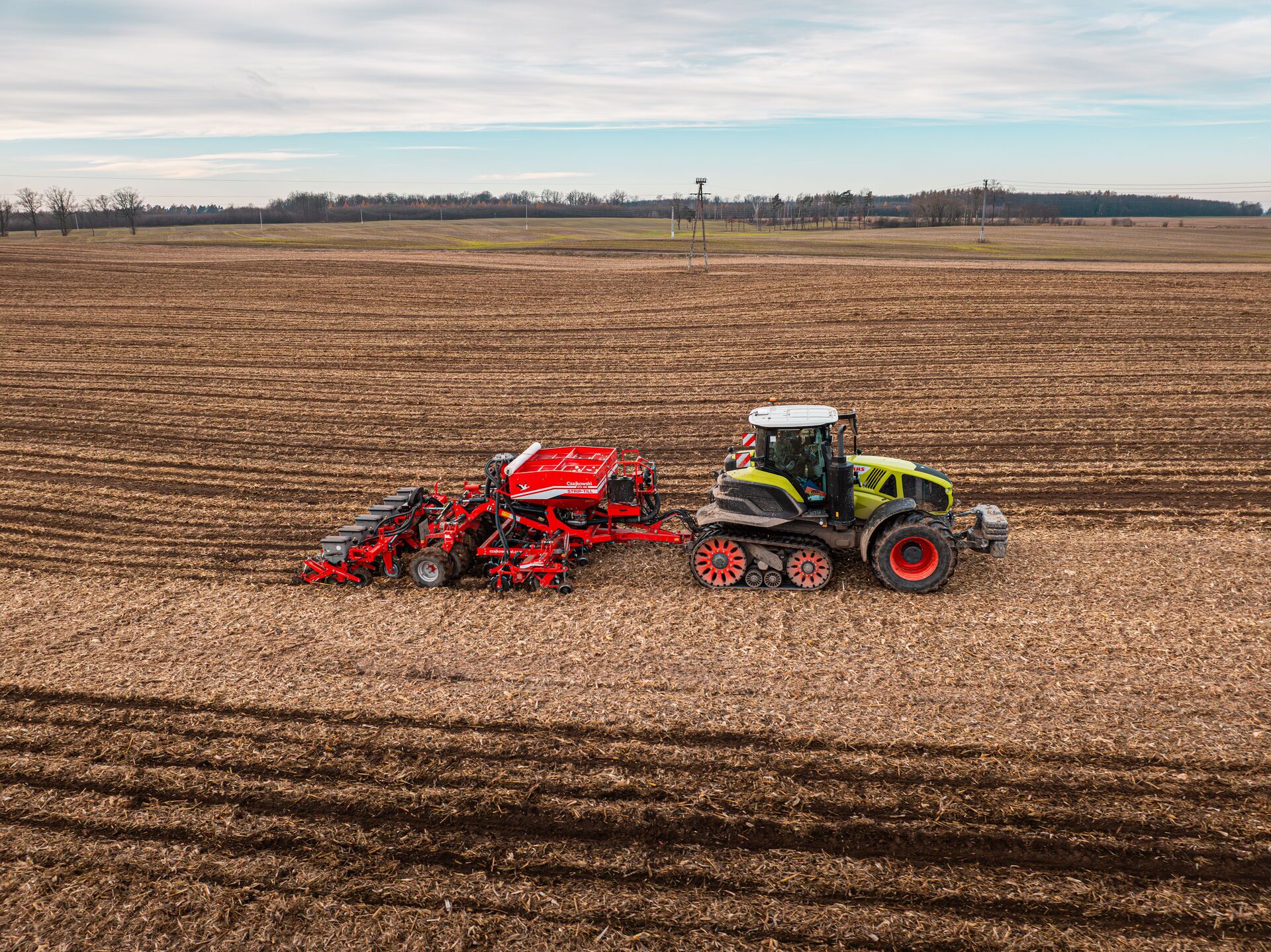
Order your STK in October,
collect it in November
Order the STK unit and replace many passes with just one. Save on fertiliser, fuel and time. Limited offer!
Machines designed and built in Poland
Original components and after-sales support
Confidence and security of your investment
Configuration tailored to your crop rotation
You cultivate only the seed strip
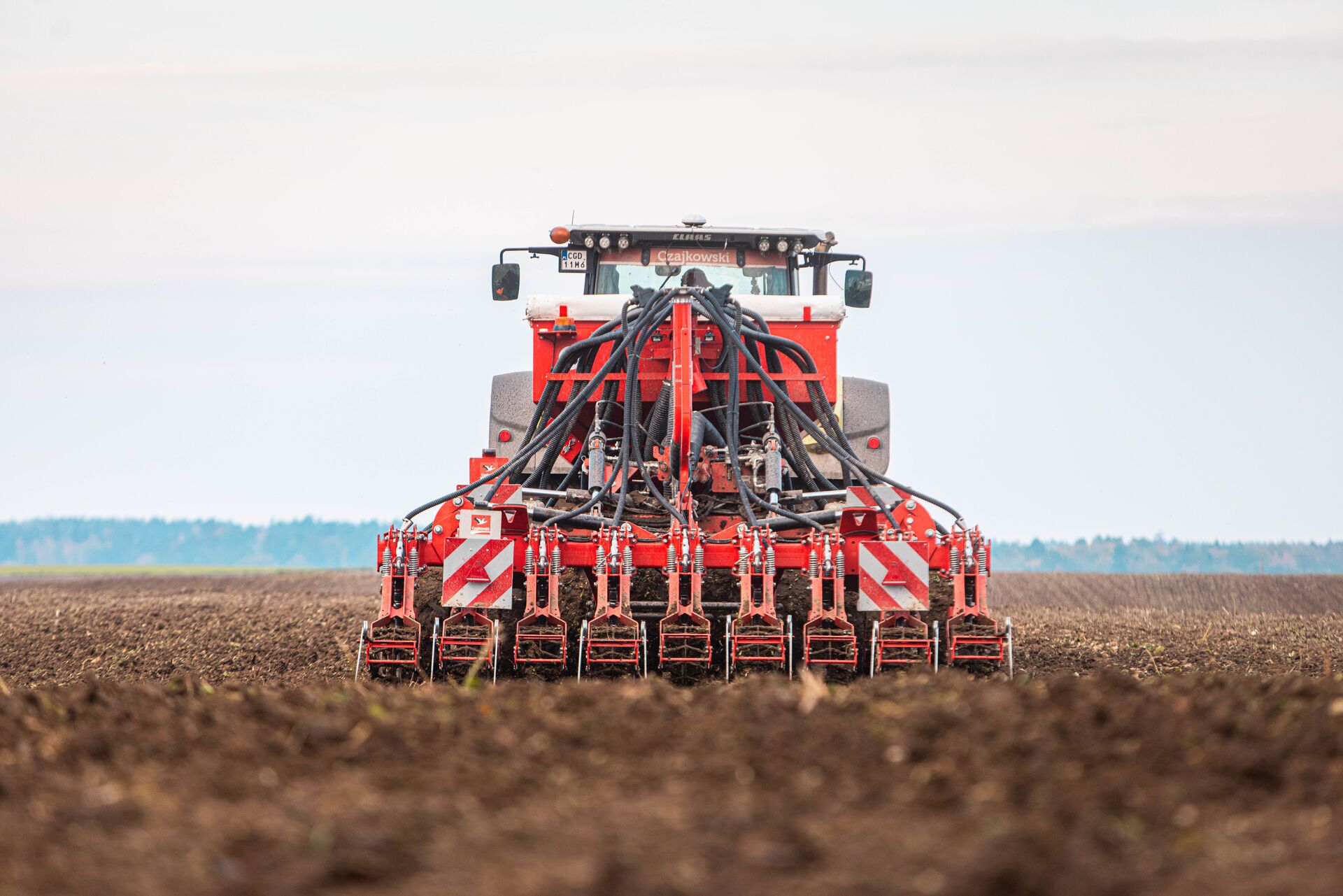
Strip-till combines the advantages of conventional and no-till farming. The STK unit loosens only a narrow seed strip and applies fertiliser into it at the same time, leaving the inter-rows covered with mulch. The plant gets a loose, well-aerated root zone, while the soil between the rows retains its moisture and structure.
- Retains water and limits erosion
- Fertiliser placed precisely within reach of the roots
- Fewer passes — lower costs
- Better soil structure and biological life
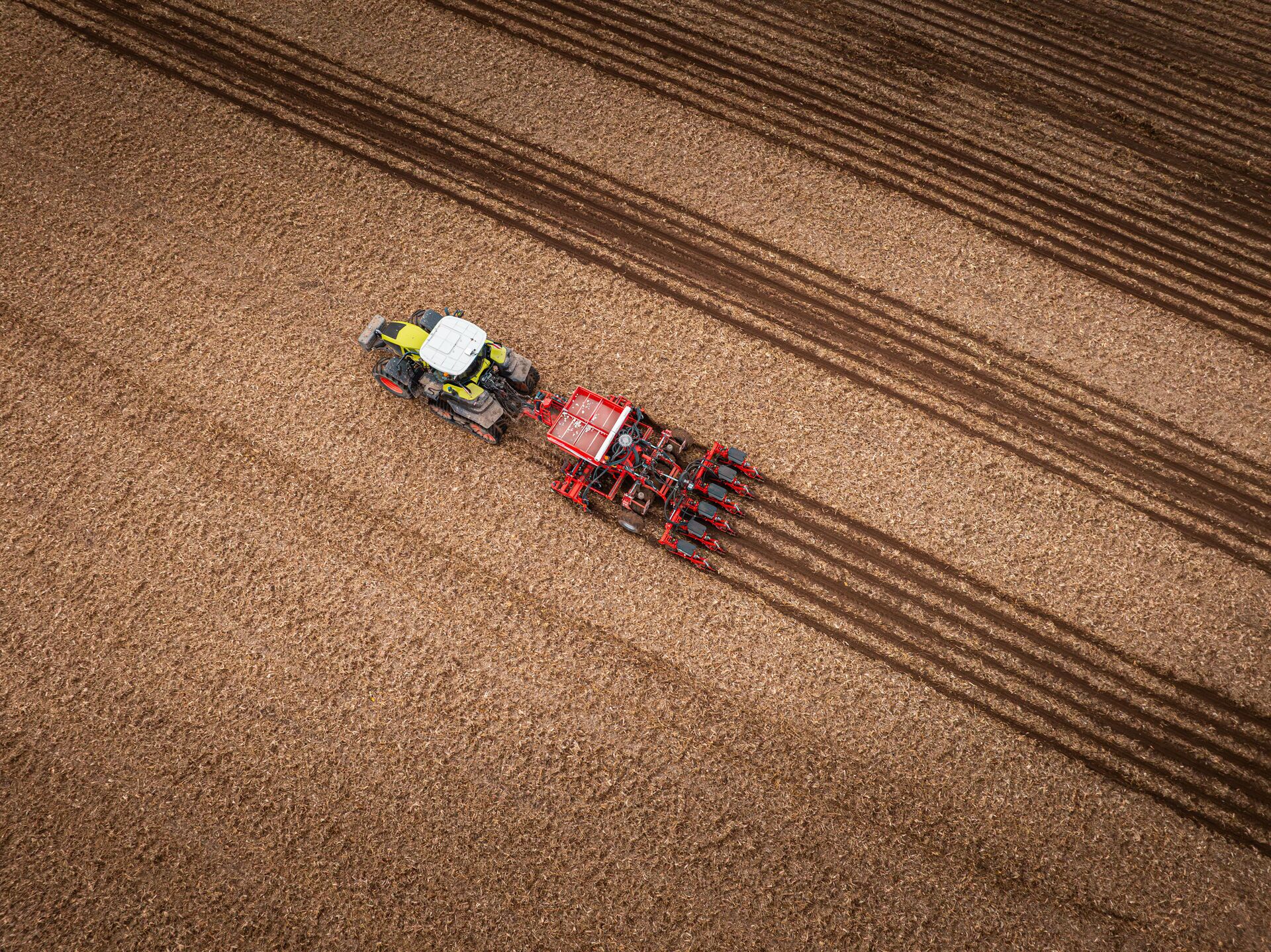
Measurable benefits
Results proven in practice on farms using strip-till technology.
precise in-soil application in the root zone
cultivation, fertilising and sowing in a single pass
you cultivate only the seed strip, not the entire field surface
fewer passes and reduced soil disturbance
6 steps to plant growth
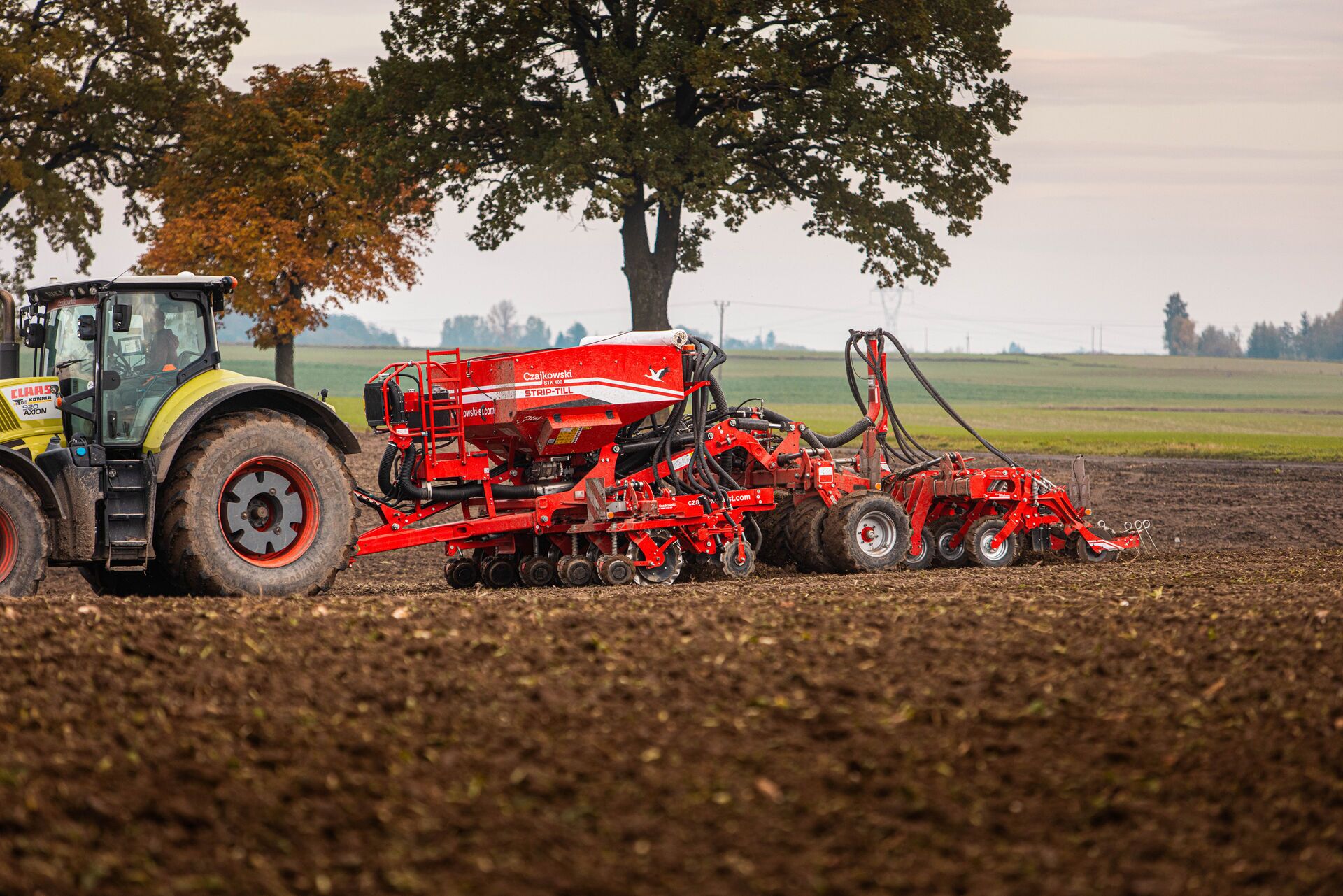
Each working section performs six synchronised operations — from clearing the strip to consolidating it.
Clearing and tearing discs
They clear the soil strip of horizontal crop residue and mulch, preparing a clean working zone.
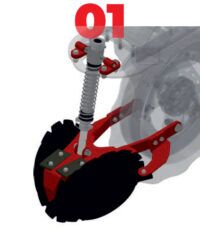
Wavy cutting coulter
It cuts the soil to a depth of about 12 cm so the tine can penetrate as non-invasively as possible.
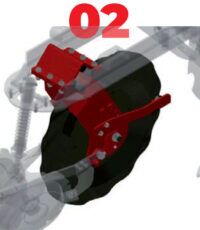
Vertical loosening tine
It works down to 35 cm deep — its vertical shape does not mix or invert the soil.
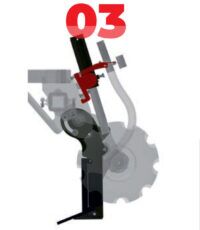
Fertiliser application nozzle
It places one or two types of fertiliser precisely across the whole soil profile, within reach of the roots.
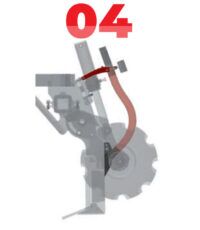
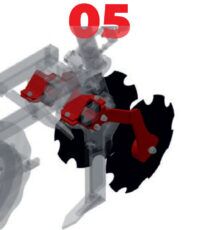
Closing and gathering discs
They keep a loose layer of soil inside the cultivated strip and form the seed zone.
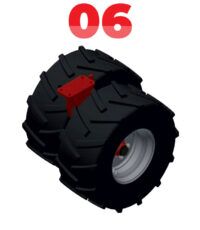
Off-set tyre packer roller
It firms and levels the strip, while the off-set layout prevents clogging and horizontal soil compression.
Engineered to work without compromise
Four design solutions that determine the quality of the STK's work — expand to learn the details.
The off-set positioning of the sections and roller minimises horizontal compression of the soil structure and prevents the machine from clogging with residue.
Three operations in one pass
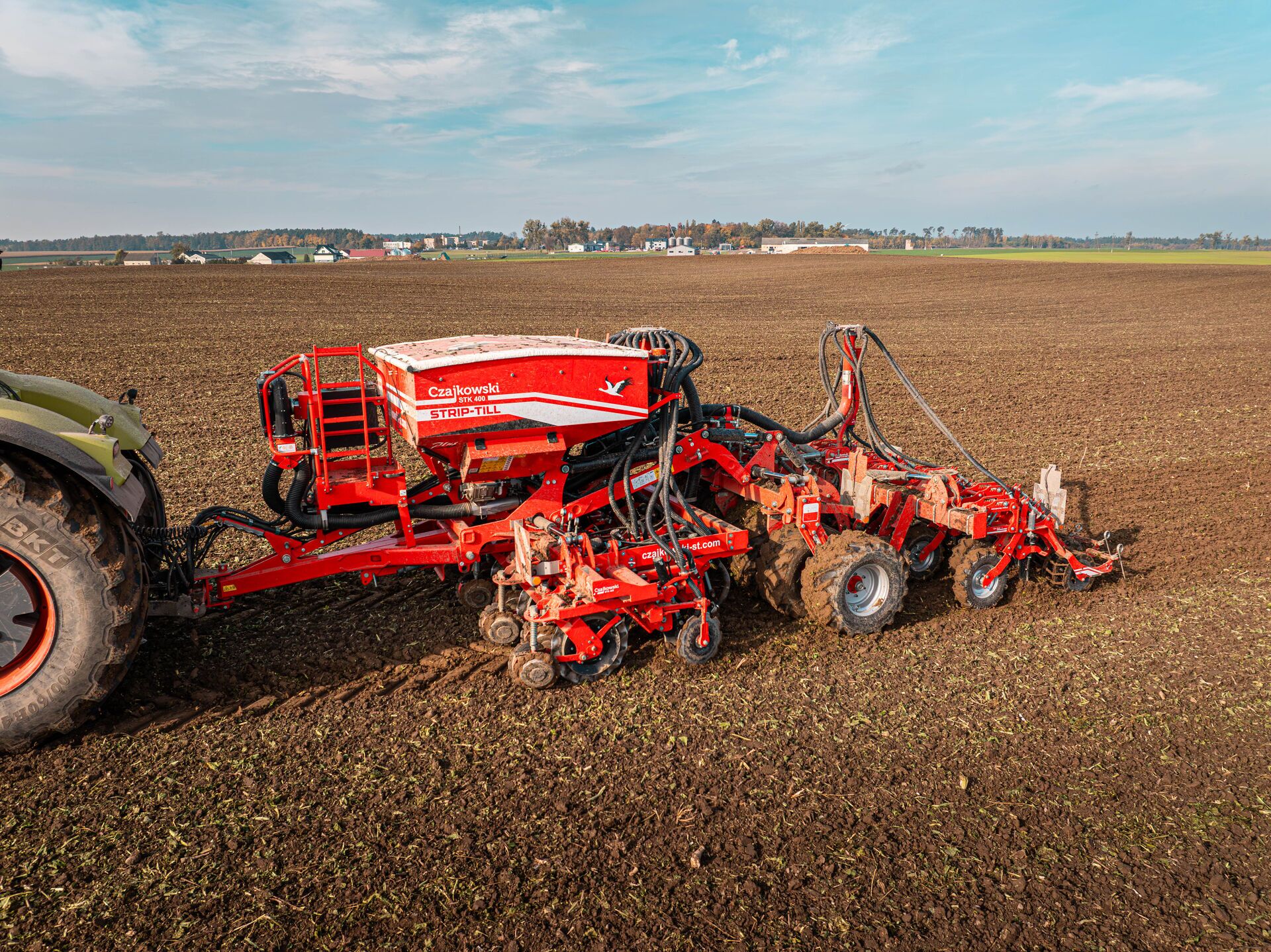
Combined with the PSP attachment, the STK unit performs seed-strip loosening down to 20 cm, in-soil fertiliser application and sowing all in a single pass. One entry into the field instead of three separate operations.
1. Loosening the seed strip
The tine loosens the soil in the strip to a depth of up to 20 cm, creating an aerated zone for root development.
2. Fertiliser application
The fertiliser is placed precisely deep in the profile, within reach of the roots — no losses and no fertilising of the inter-rows.
3. Sowing
The seed is sown precisely into the prepared, fertilised strip — all in a single pass.
Is the STK right for you?
The STK series are medium-sized machines — manoeuvrable, with low power requirements, yet fully equipped. Built by a farmer, designed for everyday work in the field.
The STK is for you if…
- You run a medium-sized farm or provide field services
- You want to reduce the number of passes, fuel and fertiliser use
- You care about retaining water and improving soil structure
- You grow oilseed rape, cereals, maize, sugar beet or legumes
- You have a tractor from 160 HP (STK 300) or 180 HP (STK 400)
What the STK offers
- Twin-chamber tank 2×1400 l — two fertilisers in a single pass
- Stepless adjustment of section spacing (from 4 to 9 sections)
- Working depth adjustable in the 20–35 cm range
- Electric metering units made of acid-resistant steel
- Ø 89 cm tyre packer in an off-set arrangement
- Non-stop protection on every component
Technical data
| Tank capacity | 2 × 1400 l (twin-chamber) |
| Filling height | 2.6 m |
| Number of loosening sections | from 4 to 9 |
| Section spacing | stepless |
| Working depth | 20–35 cm |
| Metering units | 2 × electric, acid-resistant steel |
| Tyre packer | Ø 89 cm, off-set |
| Min. power — STK 300 | from 160 HP |
| Min. power — STK 400 | from 180 HP |
| Rear three-point hitch | cat. II or III (3500 kg) |
| Hydraulic connections | 3–4 pairs + free return |
| Rear PTO | hydraulic |
| Lighting / camera | LED · 1–2 cameras |
| Transport dimensions | width 3 m · height 3.1 m · length 6.4 m |
| Weight — STK 300 / STK 400 | 4500–5500 kg / 5000–6500 kg |
The real power requirement and the choice of configuration depend on the soil type, working depth and crop. An advisor will help you choose the model and equipment for your farm.
Not sure which model to choose?
We'll advise you — write or call.
Contact an advisorDownload the product catalogue
The official Czajkowski product catalogue presents machines and solutions for strip-till, fertilisation and precise fieldwork.
- Strip-till machinery
- Fertilisation solutions
- Models and equipment
- Technical specifications
Official product catalogue
Product catalogue
PDF · 16.2 MB
Material provided by uprawapasowa.pl
One machine, the whole rotation
Stepless spacing adjustment and interchangeable chisels let the STK move from crop to crop without compromise — from oilseed rape and cereals to sugar beet, maize and legumes.
Row spacing for every crop
One unit handles the whole rotation. Hover over a crop to see the matched spacing.



Winter oilseed rape
Cereals
Sugar beet

Maize and sunflower
Soybean and legumes
Strip-till that also earns from subsidies
Strip-till isn't only about lower costs — it's a practice supported through EU subsidies. Properly accounted for, it further increases the return on your investment in an STK unit.
Eco-schemes — carbon farming
Strip-till fits into the practice of simplified tillage systems under the “Carbon farming and nutrient management” eco-scheme — awarded points in direct payments.
Funding for machinery purchase
The purchase of a modern unit can be accounted for under interventions supporting farm modernisation (e.g. investments on agricultural holdings). We help prepare the technical specification.
Alignment with CAP goals
Lower emissions, protection of soil structure and reduced erosion — strip-till supports the environmental requirements of the Common Agricultural Policy and the Green Deal.
Rates, scoring and application windows change every year. Check the current terms with ARiMR or an agricultural advisor — we'll help select an STK configuration that meets the requirements of your chosen practices.
They work in the field, not in a brochure
Farmers who have switched to strip-till all say the same thing: lower costs, fewer passes and peace of mind about the sowing date.
„Instead of four passes I make one. The oilseed rape came up evenly and fuel use dropped so much that the machine pays for itself faster than I expected.”
„What convinced me most was the precise sub-soil fertilisation — less fertiliser, and in a dry year the strips held water better. The yield speaks for itself.”
„Entering the autumn agronomic window with your own machine is a different level of comfort. On top of that, solid advice on settings and reliable service.”
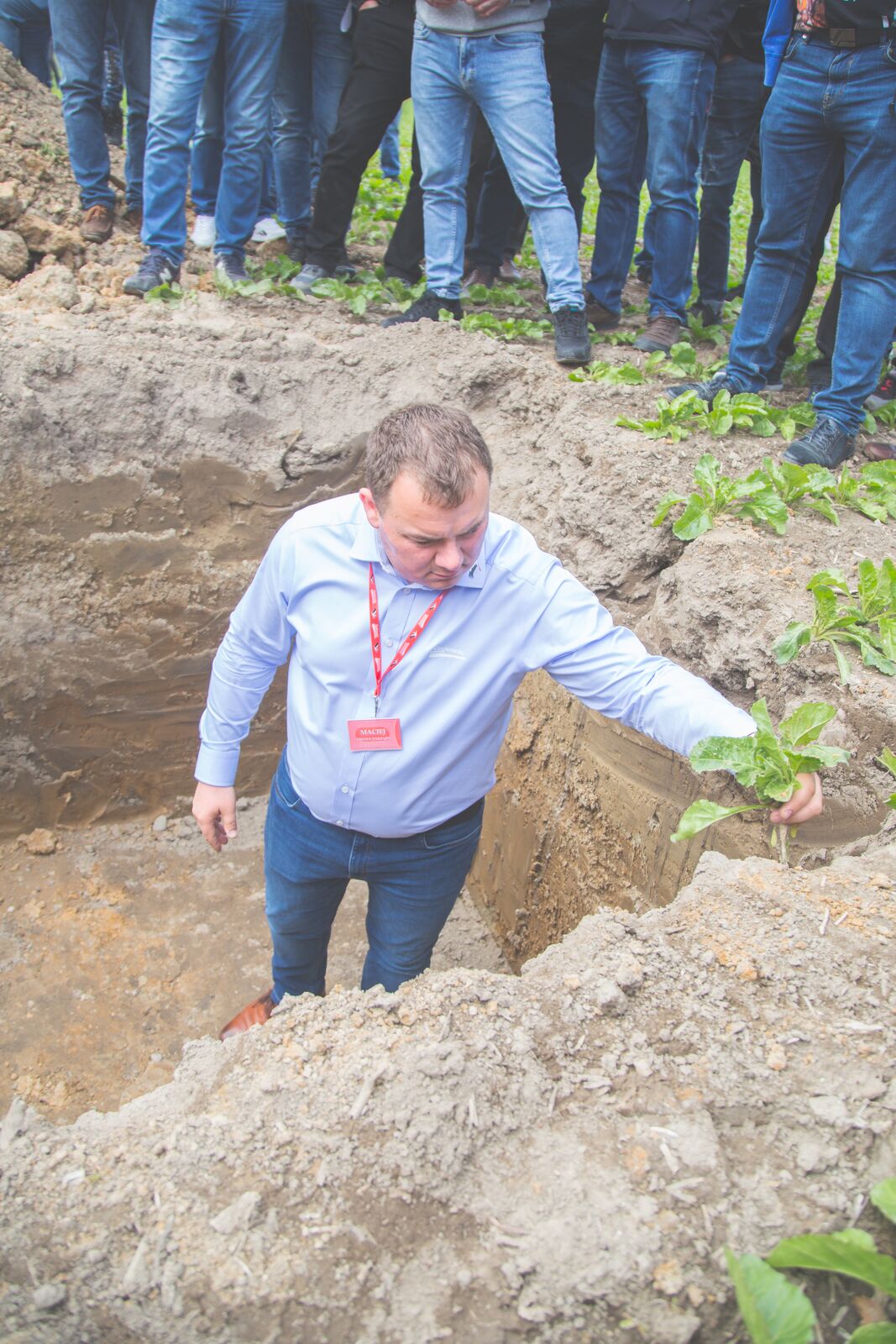
We are confident in this machine. We have been using this technology on our own farm for 19 years.
In the photo, Maciej Czajkowski assesses a beet's root system in the soil profile after a pass with the STK unit during a field demonstration. We build machines we trust on our own fields — and that work our hectares every day.
Order in October, work in November
The number of machines in this production batch is limited. Place your order by the end of October and you'll receive your STK unit in November — no year-long wait for equipment.
Order by 31 October
You reserve your STK unit at the price and configuration agreed now — with no risk of price increases and no waiting in a long production queue.
Production of your machine
The machine is built for your crops: row spacing, tine width and fertiliser application configuration matched to your rotation.
Collection in November
You collect your finished unit in November — with setup training and support from a technical sales advisor.
First sowing of oilseed rape and winter cereals
You enter the autumn agronomic window with your own machine — strip-till for oilseed rape and winter cereals this very season.
Reserve your production slot
Get in touch with an advisor, set the STK unit configuration for your crop rotation and secure your place in the batch with collection in November. Once the pool of machines is used up, the nearest slot moves to the next season.
Order your STK unitOffer valid until 31 October 2026. Number of machines limited.
Have doubts? We'll clear them up
Short answers to the questions farmers ask most often before deciding to switch to strip-till.
The minimum power requirement is about 160 HP for the STK 300 and 180 HP for the STK 400. Actual requirements depend on soil class and working depth — we'll match the model and configuration to your tractor.
Didn't find your answer?
Ask the advisor a questionTell us about your farm — we'll tailor the STK strip-till unit configuration
Fill in the short form and reserve a production slot with delivery in November. Michał will call you back with a proposal matched to your acreage and crops — usually the same business day.

Michał Łuciów
Technical and sales advisor
What we'll prepare for you
- – selection of the STK 300 / STK 400 model
- – section spacing and tine width for your crop
- – fertiliser application and PSP attachment configuration
- – slot reservation with delivery in November